

Stand space. Design and build. Logistics. Staffing. Travel and accommodation. Add it all up and a trade show is one of the most significant marketing investments a business makes each year — and the costs only seem to go one way.
That investment can have an exponential return. The face-to-face conversations you have at a show are genuinely hard to replicate anywhere else. A prospect who visits your stand, sees your product in person, and has a real conversation with your team is a completely different quality of lead to someone who clicked on an online ad. That's not changing.
But there's a reality worth sitting with: that same visitor didn't just come to see you.
Why Trade Show ROI Is Harder to Capture Than It Should Be
On a busy show floor, a visitor might stop at ten, twenty, fifty stands across two days. They're taking in a huge amount of information, having a huge number of conversations, and making mental notes about who to follow up with when they're back at their desk.
By the time they get home, the detail of each conversation has already started to blur. Not because yours wasn't good — but because there's only so much the brain retains when it's been that stimulated for that long.
The businesses that get the call aren't always the ones who had the best stand. They're often just the ones who stayed front of mind long enough for the prospect to pick up the phone.
This is where most trade show marketing strategies fall short. The investment goes into getting people to the stand. Very little goes into what happens once the show is over.
The Problem With Trade Show Follow-Up
Most businesses leave a show and send a follow-up email. It's the right thing to do, and you should do it. But a follow-up email is one touchpoint in an inbox full of them, from every other business that scanned the same badge.
Think about what that inbox looks like. Your prospect attended a two-day show, spoke to dozens of exhibitors, and arrived back at their desk on Monday to the same follow-up sequence from every single one of them. A PDF. A product overview. A line about how great it was to meet them.
Research consistently shows that most trade show leads require multiple touchpoints before converting — and yet the majority of exhibitors follow up once and move on. Effective follow-up means being specific, personal, and present across the weeks where decisions are actually being made.
Before the Show
Start your trade show marketing strategy weeks in advance. Pre-book meetings, announce your attendance on LinkedIn, and build interest before the doors open.
During the Show
Brief your team, nail the product demo — but also think about what you want to capture on the day. The reactions, the energy, the conversations. That footage can't be recreated afterwards.
After the Show
This is where most of the return is either won or lost. A structured follow-up process and content that keeps your brand visible in the days after the event turns conversations into closed business.
On LinkedIn
A highlight video posted in the days after the show puts your stand back in front of the people who visited — at the exact moment they're deciding who to call.
How to Stay Front of Mind After a Show Ends
What keeps you in someone's head in the week after a show is seeing something that takes them back to the moment.
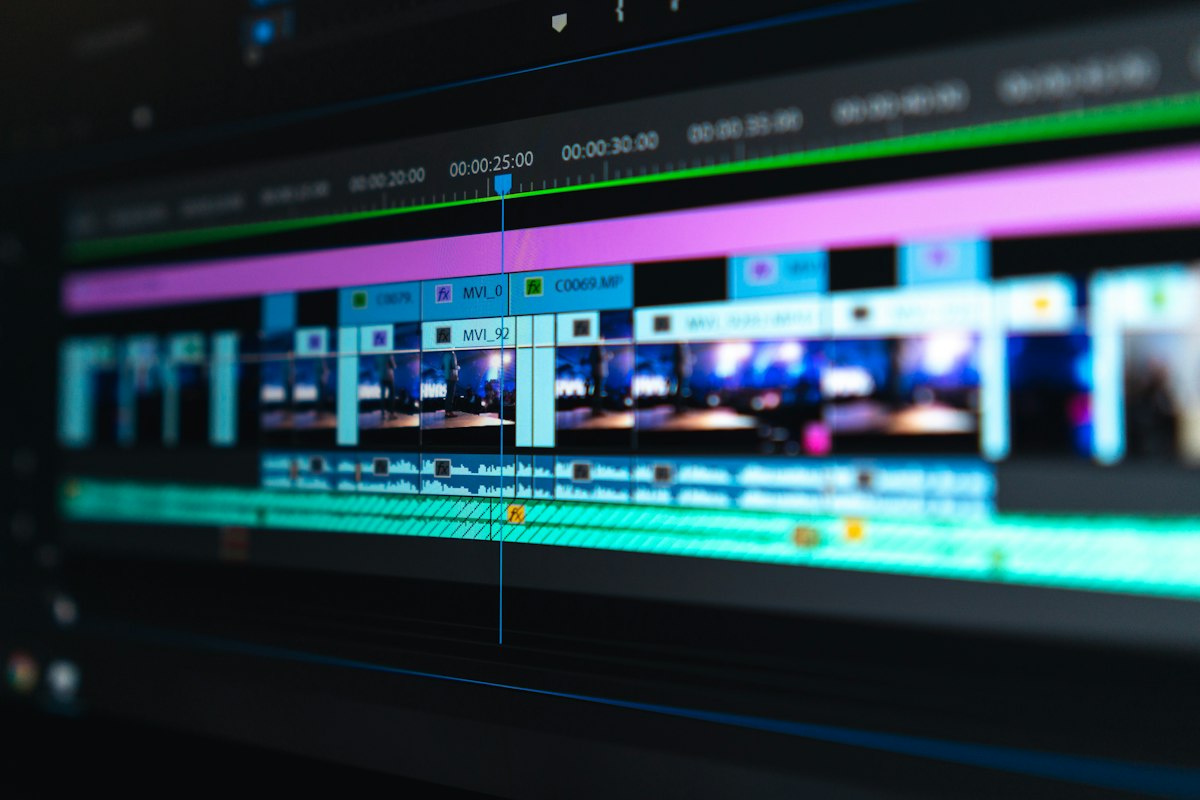
A highlight video on LinkedIn does exactly that. It puts your stand, your product, your personality back in front of the people who were there — at the exact moment they're processing what they saw and deciding who to call. It's not an advert. It's a memory prompt.
It also reaches the people who weren't there. The decision-maker who sent a colleague to walk the floor. The buyer who was interested but couldn't make it on the day. The LinkedIn connection who sees it in their feed and forwards it to someone in their team.
A single day of filming at a trade show can fuel weeks of content — LinkedIn posts, email sequences, website assets, and sales collateral — that keeps the show working for you long after the hall has been cleared.
What Maximising Trade Show ROI Actually Looks Like
Maximising trade show ROI isn't just about generating more leads on the floor. It's about extracting full value from every part of the investment.
The footage from a single show — interviews, product demos, stand walkthroughs, live reactions — can fuel weeks of content across LinkedIn, email sequences, your website, and future sales conversations. One day of filming becomes months of material.
The businesses getting the most from their trade show investment are treating what happens on the day as content. They're:
- Capturing stand energy, product demos, and candid team moments on video
- Posting a highlight reel on LinkedIn within 48 hours of the show closing
- Using interview clips in follow-up email sequences to stay personal and specific
- Repurposing stand walkthrough footage for website landing pages and paid ads
The Businesses Getting the Most From Trade Shows Think Beyond the Floor
The conversations you have on the floor are the starting point, not the destination.
A trade show is a concentrated burst of commercial energy. Two or three days where your ideal customers are in one room, actively looking for solutions, open to conversations they wouldn't take a cold call for. That energy is worth a lot. The question is how much of it you're carrying out of the venue with you.
The floor is where relationships start. What you do in the week after determines whether they go anywhere.
SIPTA works with exhibitors to capture trade show content that keeps working long after the event ends — from highlight videos to stand walkthroughs and interview clips. If you're exhibiting and want to make more of the investment, get in touch.