

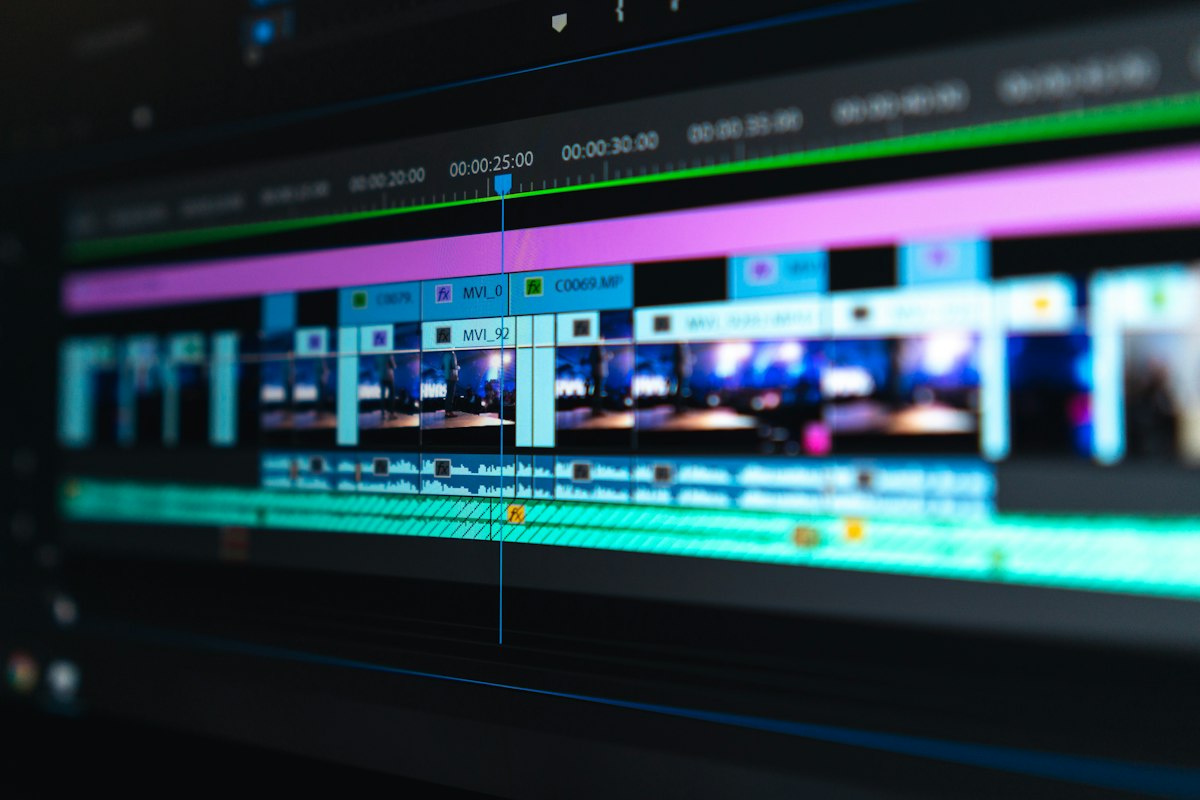
The honest answer to "how much does a corporate video cost?" is: it depends. But that's not useful, so here's the version that actually helps. In the UK, professional corporate video production typically falls somewhere between £1,000 and £20,000 for most projects. The spread is that wide because "corporate video" covers everything from a 60-second talking head filmed in an office to a two-day multi-location brand film with actors, motion graphics, and a licensed music track. Understanding what sits inside that range — and why — is the only way to budget sensibly.
What Actually Drives the Cost of a Corporate Video
Price is almost never arbitrary. Every quote reflects time: time to plan, time on set, and time in the edit. The variables that move the needle most are crew size, shoot days, post-production complexity, and deliverables. A single-camera operator filming a day of interviews is a very different proposition to a two-person crew with a gimbal, drone, and lighting rig. Neither is better — they're just suited to different briefs.
The main cost factors to understand before you brief anyone:
- Shoot days — every additional day on set adds crew day rates, kit hire, travel, and often accommodation
- Crew size — a director/operator solo, a two-person crew, or a full production team all have very different day rates
- Scripting and pre-production — storyboarding, location recces, talent casting, and concept development all take time and cost money
- Post-production — editing, colour grade, sound design, motion graphics, and subtitles are each separate processes with their own time cost
- Voiceover and music — professional VO talent and licensed music tracks typically add £300–£800 to a project
- Number of deliverables — one master cut is straightforward; a master plus social cuts in three formats plus a 6-second bumper is a different edit job entirely
Most businesses underestimate post-production. A one-day shoot can easily generate three to four days of editing work — especially if the brief includes motion graphics or multiple versions.
What Each Budget Level Gets You
This is the part that actually helps when you're trying to set expectations internally or justify a budget to a director.
£1,000–£2,500 A basic single-camera shoot — typically one location, one subject, minimal editing. Good for internal communications, social-first content, or a quick FAQ video. Don't expect colour grading, licensed music, or more than one round of revisions.
£2,500–£5,000 A solid one-day shoot with a small crew, a proper edit, colour grade, and basic motion graphics. This is the realistic floor for anything client-facing or brand-representative. Suits testimonials, product explainers, and short brand films.
£5,000–£15,000 The professional range. Multiple shoot days, experienced crew, full post-production pipeline, multiple deliverables, licensed soundtrack, and proper pre-production. What most mid-sized businesses should be budgeting for a primary brand asset.
£15,000+ Multi-day productions, scripted content, actor talent, multiple locations, and a full agency-level creative team. Suited to flagship brand films, broadcast content, or campaigns with significant distribution spend behind them.
Why Cheap Videos Cost More in the Long Run
A £800 video from a freelancer with a consumer camera isn't a bargain if it doesn't get used. Shaky footage, flat audio, and clunky editing reflect on your brand — and content that doesn't perform means you're back to briefing again in six months. The calculation isn't just what you spend on production; it's what you get back from the asset over time. A well-produced brand film used consistently across your website, sales decks, and LinkedIn for two years has a very different cost-per-use than a cheap clip you quietly retire after a month.
A video that doesn't get used isn't cheap — it costs you everything you spent on it.
How to Get More From Your Production Budget
You don't always need a bigger budget — you need a smarter brief. A few things that consistently improve return on a production investment:
Plan your deliverables before the shoot. Deciding after the edit that you also want a vertical cut, a 30-second version, and a 15-second social bumper means going back to the editor. Deciding that before the shoot means the camera operator captures with those formats in mind — and the editor structures the cut to support them from the start.
Batch your content. A two-day shoot that produces six pieces of content will almost always deliver better cost-per-asset than two separate single-day shoots. The setup, travel, and briefing time gets amortised across more deliverables.
Invest in pre-production. The hours spent on a proper brief, a storyboard, and a shot list save significantly more time in the edit — and they protect against the most expensive outcome of all: getting to the end of a shoot and realising you didn't capture what you needed.
Questions to Ask Before You Sign Off a Quote
Not all quotes are built the same. A £5,000 proposal from one production company and a £5,000 proposal from another can represent completely different scopes. Before you approve anything, get clarity on these points:
- How many shoot days are included, and what's the day rate for additional days?
- What does post-production cover — is colour grading and sound design included, or quoted separately?
- How many rounds of amends are included in the edit?
- Are music licensing costs included, or will they be invoiced separately?
- Who owns the final files, and in what formats will they be delivered?
What SIPTA Charges — and Why
At SIPTA, our corporate video projects typically start from £2,500 for a focused single-day shoot and scale from there depending on scope. We're transparent about what's included at each level and won't pad a quote with line items you don't need. If you're trying to work out what a specific project should cost, get in touch — we'll give you a straight answer, not a holding response.